
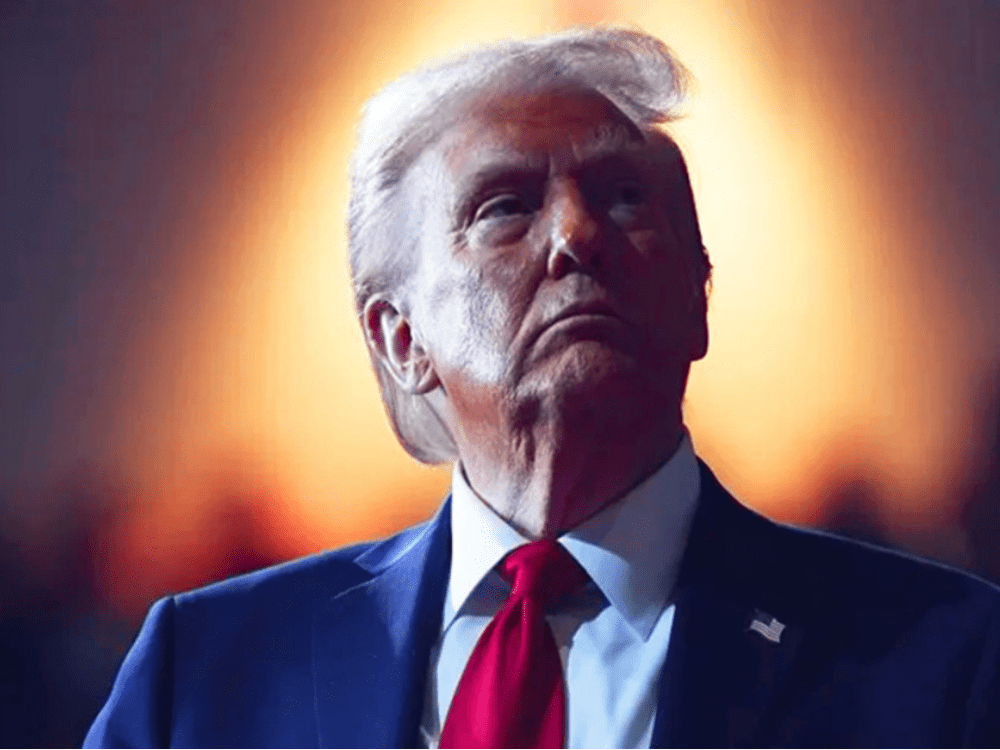
The hungrier candidate pulled through.
In the modern dialect of sportswriting, the concept of desire has come to play a critical role. An upset, whether in head-to-head competition or team play, is often described in terms of the underdog player or team “wanting” it more. Even when the two sides are perceived to be evenly matched, the concept of “wanting it” is applied. The winner in this case is defined by a greater sense of want. “They wanted it more,” goes the much-repeated line, at times phrased in terms of full-out craving, as in “They were the hungrier team” (or, over to boxing, the literal pull-no-punches of fifteen-round prizefighting, a sport that has lost its macho sheen since Depression-era days).
This prologue is intended as a simplistic if honest assessment of the recent American presidential election.
Say what you will, but Donald Trump wanted it more.
He was hungrier.
He campaigned with the brutal ferocity of an underdog or a man — indeed, call him an aging boxer — out for bloody, title-reclaiming revenge. He faced a rematch of sorts and refused to bow to the resistance of the legal and individual forces arrayed against him, and they were, and remain, too many to count. He wanted “it,” the presidency, and got it using blows both legal and not, and hitting well below the belt if necessary. And yes, boxing writers would have a field day with Trump.
Say what you will, but Donald Trump wanted it more. He was hungrier.
This ditty of mine is not intended to takes sides or play favorites. Instead, it is one observer’s view of the events in this high-stakes ring.
Trump’s machinery of want — a Whack-A-Mole amalgam of demagogic fury, a palpable wish to spit hard at political enemies, both real and imagined, and a salesman’s unstoppable ego — received an assist from his opponents, never quite sure what to do to counter a human force of nature, a hurricane on legs.
They forced a sitting president from a race he wanted to run, fearing the onset of senility. The Democrats did this notwithstanding the old axiom about the strength of incumbents, namely that despite their weaknesses, incumbents nonetheless carry the weight of their office to any fight. They may face a streetfighter, which Trump is, but they remain noble by virtue of their election — and Joe Biden had already once beaten Trump.
But no, this was set aside to tap into new blood, a switch that was made at the eleventh hour and which never allowed Kamala Harris the chance to work up a true fighting personality. She was a neophyte asked to slay a cyclops who’d already rehearsed all his fighting moves. Hailed as a savior at the time of her summer anointment, Harris and her rookie’s shortcomings soon began to show through. She could sound shrill and forced, even when she denounced her adversary as a tyrant.
The tyrant merely ate this up and fed it to his want.
And the want was rewarded.
It might well have been rewarded no matter his adversary, given the strange and fractious country the United States has become. It is a nation without a uniting theme, and therefore unpredictable.
But that’s for another time.
This brief reflection exists only to suggest that the “hungrier” candidate won, and that his want, even need, for redemption, could not be tracked by any poll. Nor could his want and wantonness be lost on disenfranchised working- and middle-class voters. Those who heard him out set aside his myriad blemishes and came away with a sense they’d witnessed a man on a mission.
Not from God, but from someone who, if given the second chance he so ferociously desired, would make it count. A chance he has now roundly received.
 christopherwinner.com